Skill Based Gaming
The Impact of Digital Currency and AI on Gaming
The online gaming industry has undergone a revolutionary transformation with the advent of digital currencies and blockchain technology. Gamers now use cryptocurrencies to purchase in-game assets, unlock premium features, and trade virtual goods in decentralized marketplaces. This seamless integration of crypto has created a new layer of economic value, enabling players to monetize their skills and assets while ensuring transparency and security. Additionally, blockchain technology has introduced the concept of play-to-earn gaming, where players can earn crypto rewards by achieving milestones or winning competitions, making gaming a viable income source.
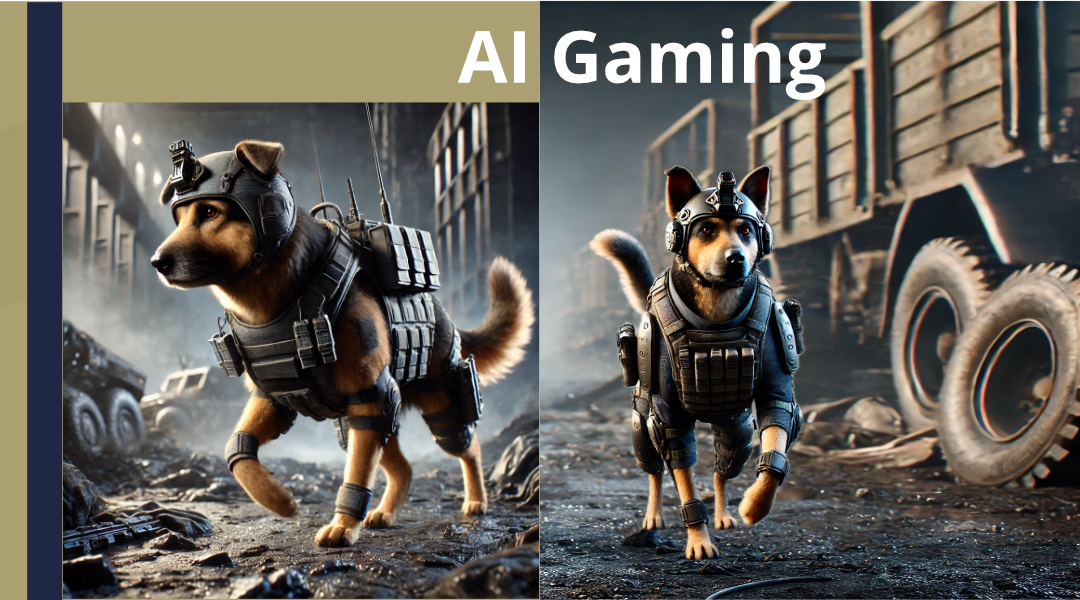
Artificial intelligence (AI) has further revolutionized the gaming experience by creating intelligent, evolving, and interactive non-player characters (NPCs). These AI-driven characters adapt to player behavior, learn from their actions, and deliver a more dynamic and engaging experience. For instance, AI characters can recognize a player’s skill level and adjust the gameplay accordingly, creating a personalized challenge. Beyond NPCs, AI also powers matchmaking systems, ensuring players are paired with opponents of similar skill levels, fostering competitive fairness.
The Rise of eSports Revolutionizing the Gaming Industry
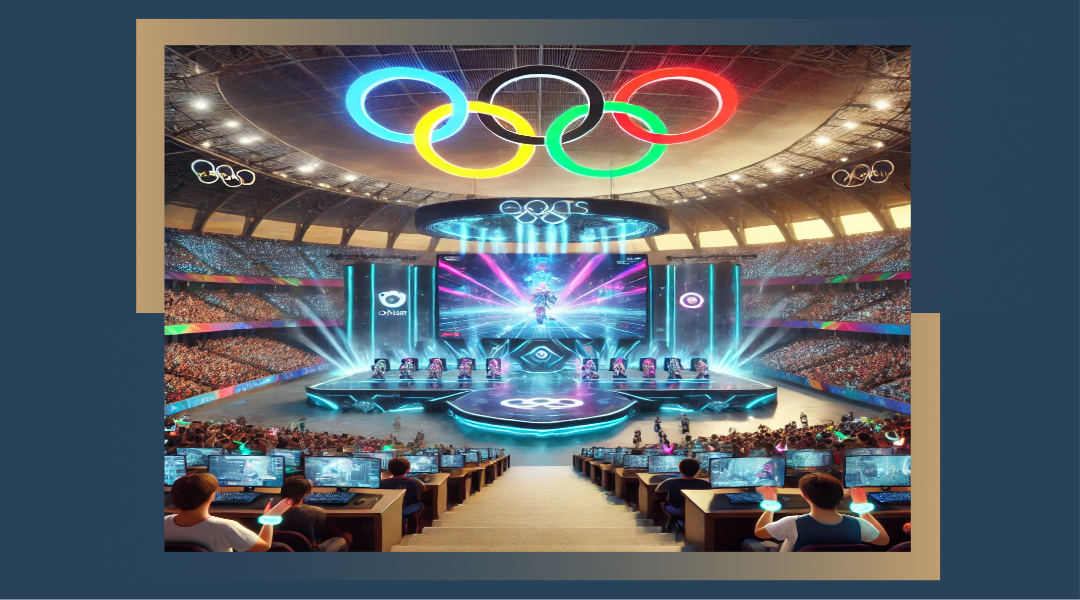
The rise of eSports has introduced a new dimension to gaming, with state-of-the-art gaming stadiums being built worldwide. These venues host live tournaments where gamers compete in front of large audiences, blurring the line between traditional sports and competitive gaming. Spectators gather to watch their favorite players or teams battle it out, creating a communal atmosphere akin to live sports events. These arenas are equipped with cutting-edge technology, including large screens, virtual reality integration, and real-time analytics, enhancing the viewing experience for fans.
Gamers are now recognized as professional athletes, with opportunities to win trophies, earn lucrative sponsorships, and receive prize money. In addition to these earnings, many games now offer point-based rewards that can be converted into cryptocurrencies, providing gamers with tangible financial benefits. These points, stored securely on blockchain platforms, can be traded or cashed out, further solidifying the role of gaming as both a competitive sport and an economic ecosystem.
Professional gaming, or eSports, is gaining serious consideration as a potential addition to the Olympic Games, reflecting its explosive growth and global appeal. With millions of players and fans worldwide, eSports has emerged as a highly competitive field requiring skill, strategy, and mental agility akin to traditional sports. The International Olympic Committee (IOC) has already taken steps to explore the inclusion of eSports, hosting discussions and demonstration events to gauge its viability. The potential addition of eSports to the Olympics could attract a younger, tech-savvy audience, bridging the gap between traditional athletic competitions and modern digital culture. If adopted, it would mark a historic moment, recognizing professional gamers as athletes on a global stage and further legitimizing gaming as a respected form of competition.
Humanitarian Initiatives
Financial > Workshop
Wellness > Workshop
Community > Workshop
Air BNB Properties
Foreclosure Acquisitions
Wholesale Cars
Sovereignty > Workshop
Sovereign Money
Humanitarian > Workshop
Lesson 1
AI Gaming Strategy
Key Point: Our AI Dogs…